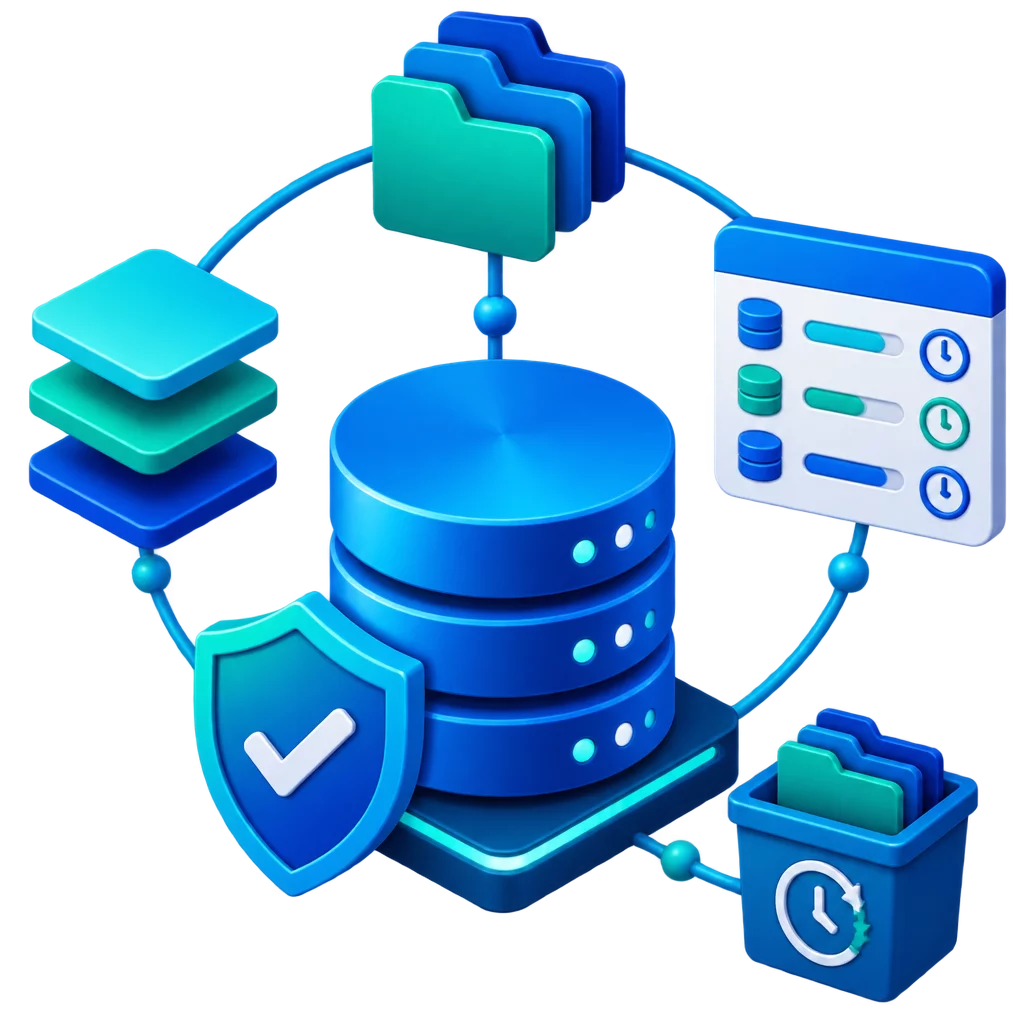

The recent industry assessment released by DataBank highlights a definitive architectural recalibration across mid-market and enterprise organizations. Escalating egress fees, unpredictable multi-tenant performance variances, and tightening data sovereignty mandates are compelling engineering leaders to reassess purely public cloud models. Rather than abandoning cloud paradigms entirely, organizations increasingly pull sensitive datasets and compute-intensive workloads back toward dedicated colocation and private on-premises tiers.
Storage Gravity, Egress Economics, and Repatriation Drivers
According to DataBank's report, predictable baseline operations now favor localized bare-metal and hybrid colocation deployments. While bursty application logic thrives in elastic public cloud instances, core data repositories accumulate massive transactional gravity over time. Moving terabytes of analytics archives back and forth creates compounding financial friction, turning cloud storage into a cost driver rather than an efficiency enabler.
Whenever workloads move across infrastructure boundaries, storage custodians must document the exact retention classification, verify that snapshot lifecycles match original compliance mandates, and log authorized dataset owners in dedicated audit worksheets.
Essential Retention Review Controls for Hybrid Topologies
Repatriating legacy datasets without updated retention records creates dangerous storage context gaps. System administrators often inherit untagged volume mounts, obsolete project snapshots, and unindexed archive dumps. Storage audit teams should implement strict verification mechanisms before migrating data back on-premises:
- Maintain verified ownership metadata and department sponsor sign-offs for all repatriated block volumes and object stores.
- Cross-check statutory retention periods against actual file modification dates to prevent preserving obsolete duplicate staging dumps.
- Enforce automated cold-tier migration schedules for dormant records exceeding standard operational access windows.
By pairing hybrid workload rebalancing with structured retention workbooks, infrastructure engineers avoid accumulating unmanageable legacy data overhead. Clarifying storage purpose at every step ensures both financial predictability and regulatory readiness across hybrid cloud environments.
Auditor Log & Discussion
Verified PractitionersSarah Jenkins
Data StewardWe verified the snapshot retention policy for AWS S3 bucket
prod-db-backups-us-east-1. Deletion cycle aligned with the 90-day cold compliance benchmark. Verified non-orphaned state.Elena Rostova
Cloud GovernanceWhen pulling database archives back from multi-tenant cloud storage, make sure to cross-reference legal hold tags. Untagged volumes can easily cause unintentional retention breaches during migration staging.
Post Governance Observation
Submit documented storage policy notes, retention exceptions, or verification queries.