
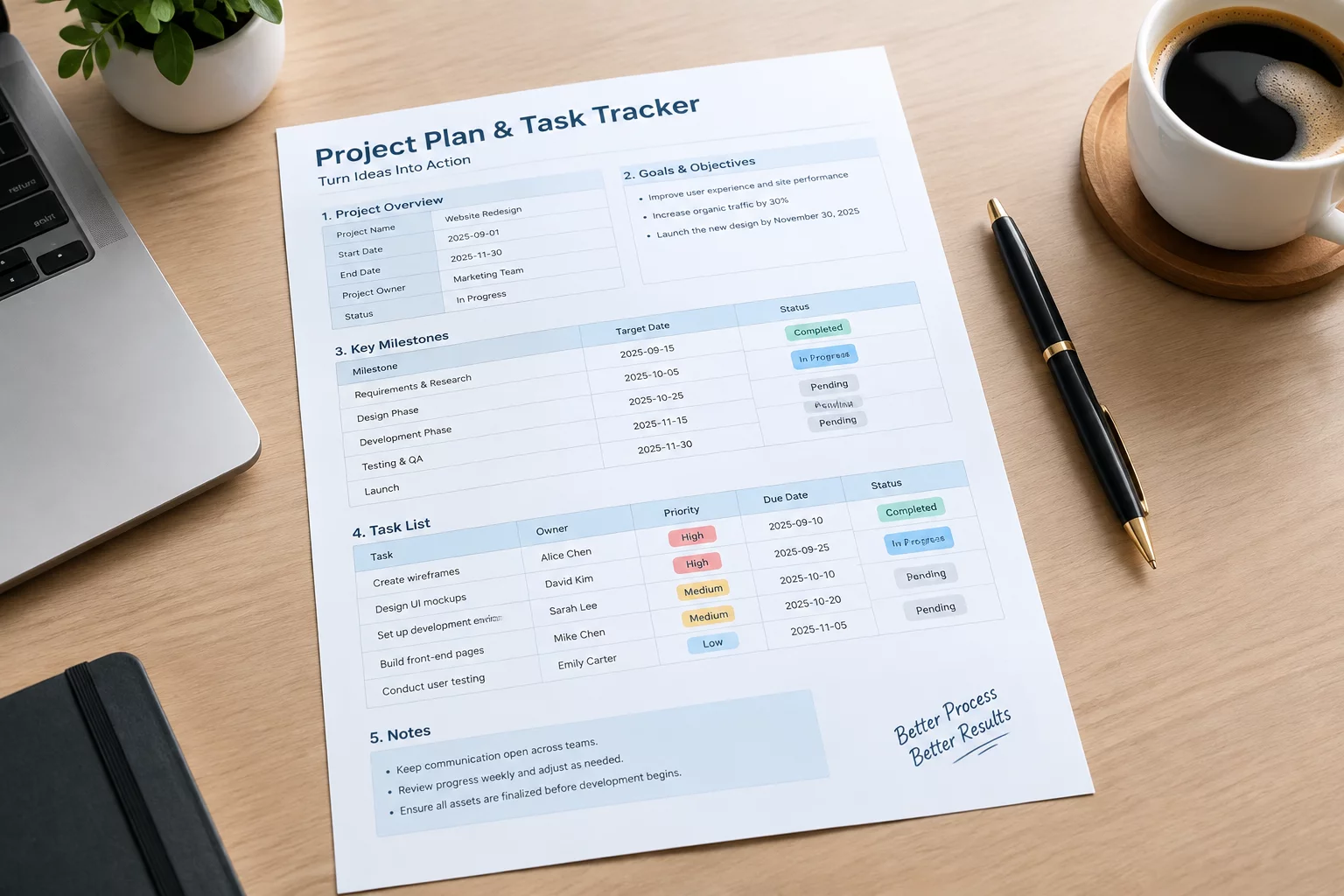
Active file shares and production volumes require systematic storage purpose documentation to prevent unchecked sprawl across enterprise tiers. When operational teams understand who owns specific datasets and why they reside on high-performance infrastructure, data retention review cycles become straightforward rather than overwhelming administrative burdens.
Establishing Operational Baseline and Storage Purpose Documentation
Every active folder structure on high-speed SAN or hot cloud tier must maintain clear ownership and an explicit operational rationale. Implementing storage purpose documentation allows infrastructure administrators to distinguish between mission-critical daily workflows and stagnant departmental dumps. Using the workbook structure, teams log designated data custodians, active access patterns, and expected milestone lifecycles before datasets age into unmonitored liabilities.
Operational volumes must undergo periodic data retention review every ninety days to ensure unneeded scratch spaces, temporary exports, and completed staging directories do not remain on expensive primary tiers.
Correlating Scan Metrics with Storage Context
Raw directory sizes and timestamp statistics tell only part of the story. Integrating TreeSize storage context into the active use worksheet bridges the gap between disk consumption metrics and business necessity. This structured context ensures that capacity management decisions reflect genuine workflow dependencies.
- Document primary dataset purpose, active business unit, and assigned custodian.
- Record last active access dates and correlate with TreeSize storage context metrics.
- Establish trigger dates for the next scheduled archive review or tiering shift.
When teams complete their active use logging, records that no longer meet active operational thresholds seamlessly transition into the next archive review phase. This systematic handoff ensures no dataset remains undocumented or indefinitely stalled on primary storage.
Auditor Log & Discussion
Verified PractitionersNo audit logs or comments recorded yet. Be the first to log a retention observation.
Post Governance Observation
Submit documented storage policy notes, retention exceptions, or verification queries.